
 Skip to content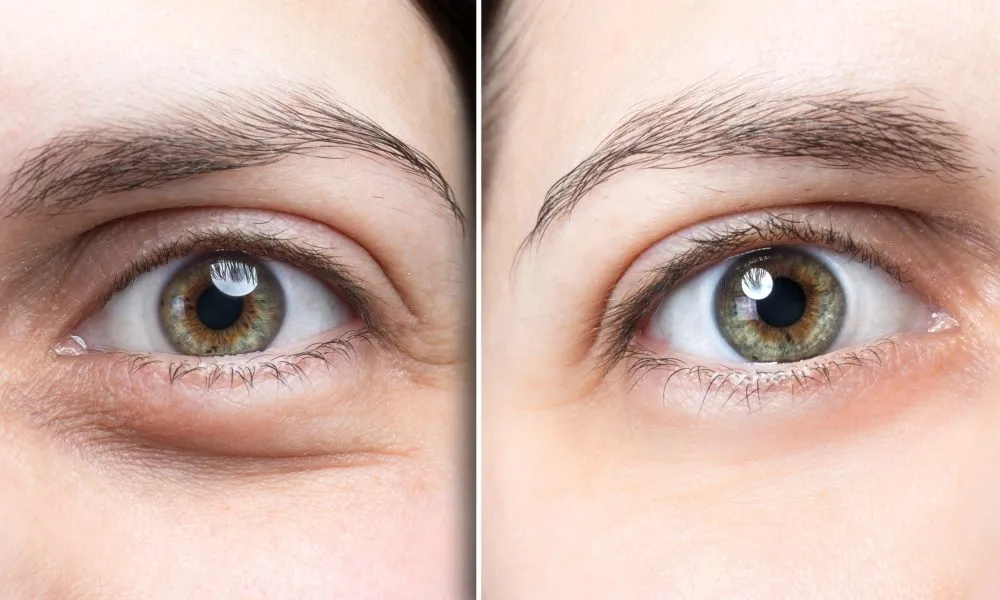
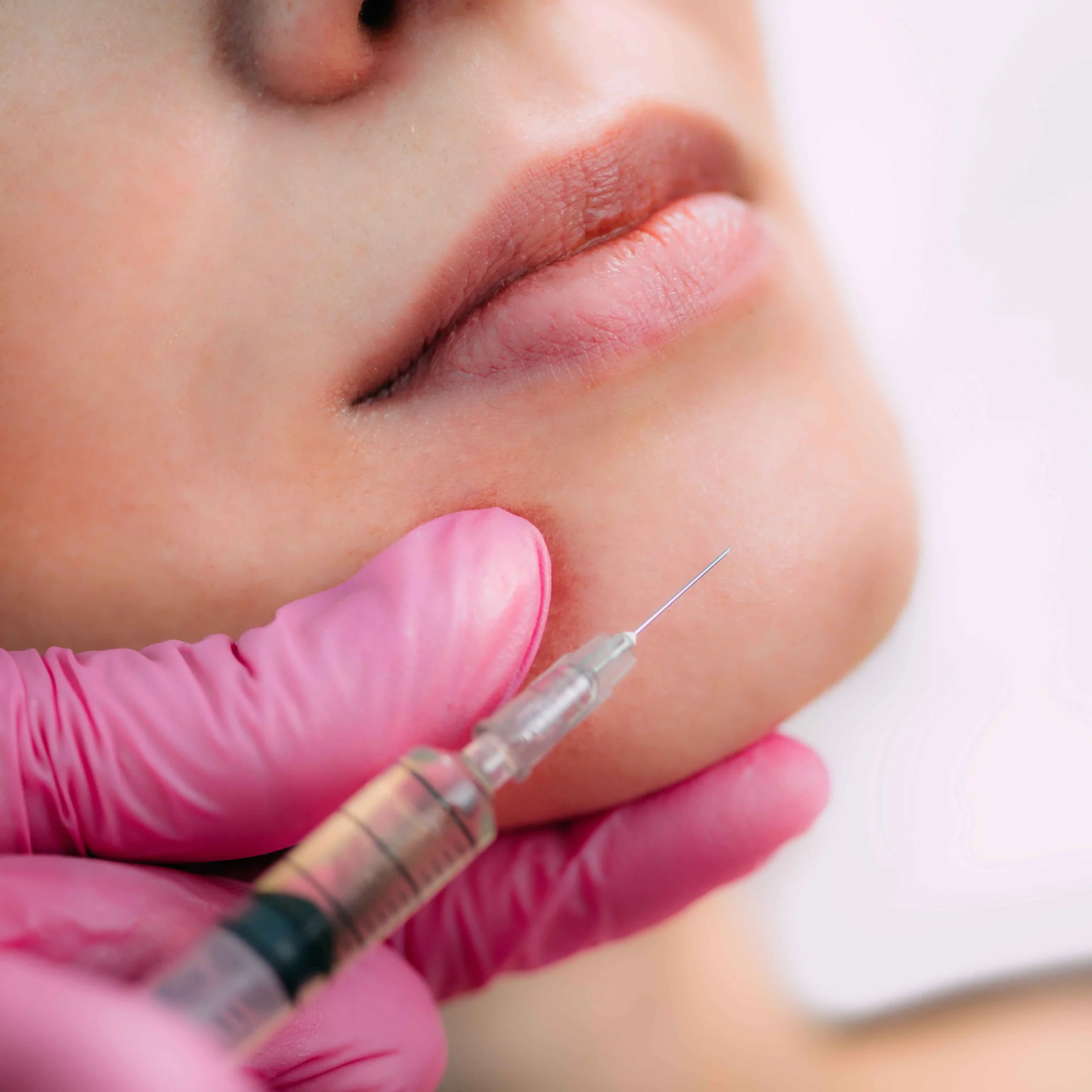
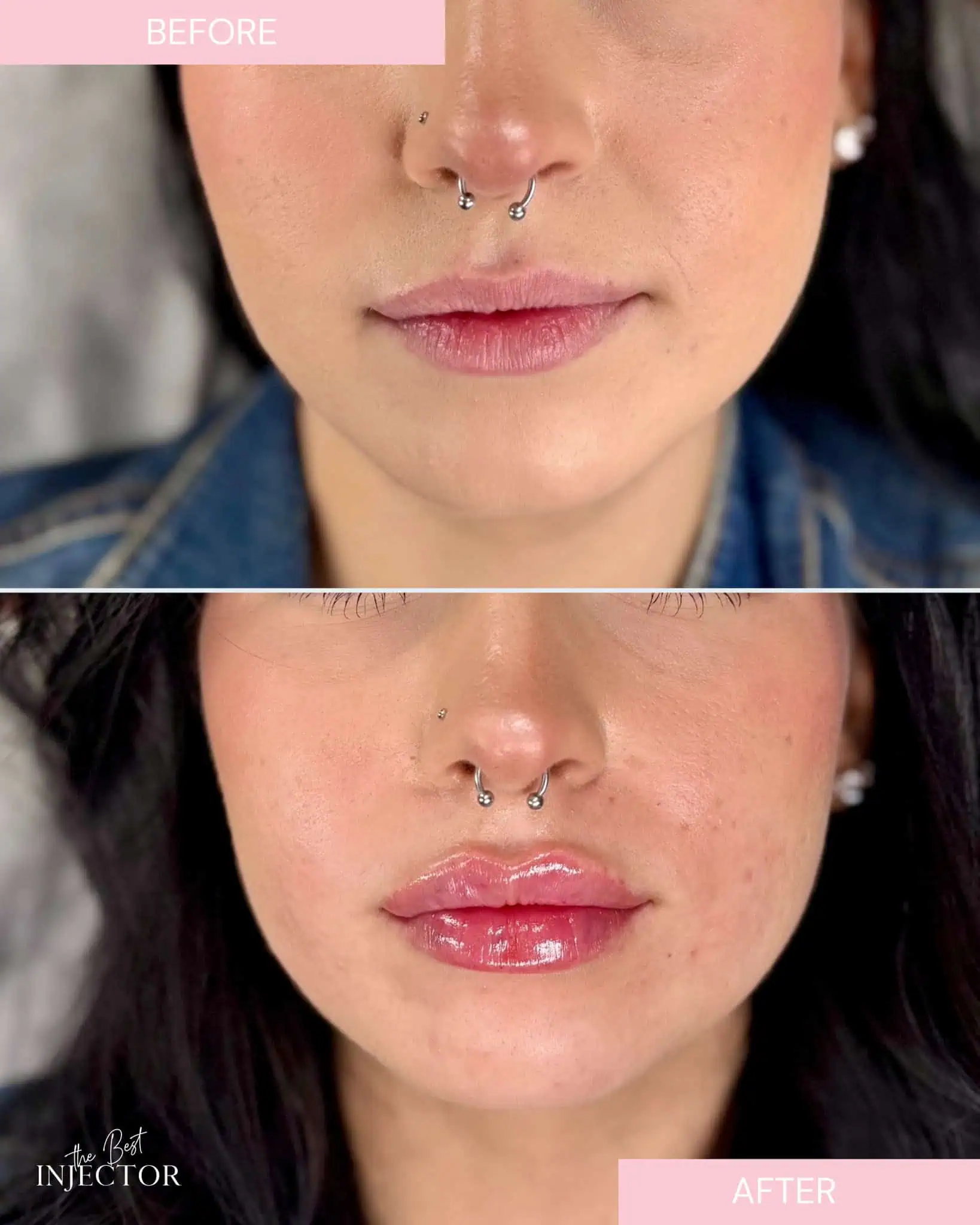
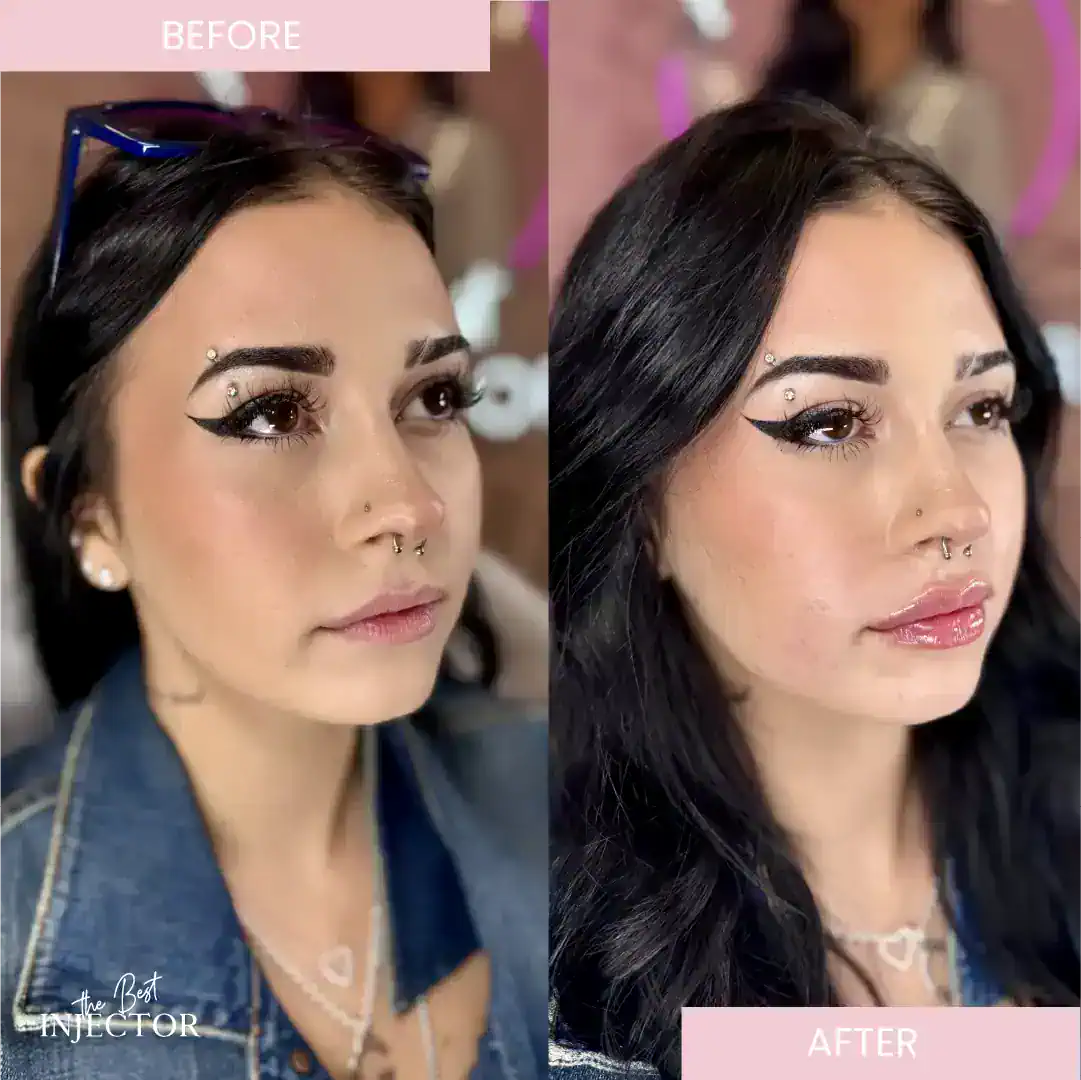
A common concern for patients contemplating dermal fillers is whether or not the injection site might develop a small lump or bump and how long it will take for those side effects to go away. The good news is that if lumps and bumps occur and persist, filler dissolvers can be used to eliminate them.
It is unusual for dermal filler injections to develop lumps or bumps in the treated area. If it does take place, however, the lumps and bumps will typically vanish on their own within a week or two. Your provider can use massage to smooth out any uneven distribution in the area for quicker results.
While it does happen, what causes them? And how will dissolvers help fix these issues? To find out, continue reading the article.
What causes lumps or bumps after dermal filler treatment depends on various factors.
Swelling in the treated area is one of the most common causes. It is typical for swelling to occur after a procedure, but the place where the filler was implanted doesn’t always appear lumpy or bumpy. While a cold compress can help subside swelling or bruising, it’s best to avoid applying it to the injection site unless necessary. Minimize the appearance of lumps or bumps following the injection by using an ice pack in the area where the injection was applied. Likewise, avoid rubbing the affected area to help the filler settle down.
Additionally, filler lumps or bumps may be caused by an inexperienced or improperly trained injector. Experts claim they’ve never had a patient return for follow-up treatment because of lumps or bumps. But if you’re concerned about the quality of your injector’s training, you may want to focus on finding a more knowledgeable one for help. Since each person’s face is unique, working with an injector with extensive experience performing the procedure you’ve chosen is essential if you want to achieve beautiful and natural results.
Another possibility is that the filler is not settling adequately into your skin tissue if you notice lumps or bumps. A settling issue may exist if any lumps or bumps don’t go away on their own within the first two weeks following treatment. When the injector massages the soft lumps with firmness, they will disappear. Tenderness or hard lumps, on the other hand, may indicate a mild allergic response to the filler material, necessitating steroid treatment.
Dermal fillers can sometimes result in lumps or bumps, but this is unusual and should not be expected. If any appear within the first week or two, they will likely disappear on their own. If you want to notice results faster, you can return to the clinic and have the injector massage the affected area. A small number of dissolvers can be injected to break down some or all of the filler.
The enzyme known as hyaluronidase is responsible for the breakdown of hyaluronic acid, which is the enzyme used in dissolvers. It dissolves the extracellular matrix and can be found in the synovial fluid of joints.
Since the early 1980s, hyaluronidase has been used in various therapeutic applications. After the extra-articular hyaluronic acid has been dissolved, it can be flushed out of the joint using either a saline solution or a local anesthetic. The enzyme can be injected into a joint to accomplish this.
Hyaluronidase injections into the affected joints effectively address osteoarthritis, rheumatoid arthritis, and other forms of arthritis. Additionally, the enzyme has been used in cosmetic procedures to break down dermal fillers.
Hyaluronidase is an enzyme that catalyzes the hydrolysis of hyaluronan into finer particles. This process is how hyaluronic acid is degraded. It belongs to the hyaluronidase family and is a proteolytic enzyme.
The process of degrading hyaluronic acid can be divided into three distinct stages: hydrolysis, fragmentation, and degradation. The first step in the process is hydrolysis, which occurs when the enzyme dissolves the bonds between hyaluronic acid molecules. This results in the production of smaller fragments, which can subsequently be broken apart by other enzymes or through the action of mechanical forces. Hyaluronic acid is made up of long chains of molecules referred to as monosaccharides, and these monosaccharides are linked to one another using phosphodiester bonds.
When hyaluronic acid is broken down into parts, the result is a mixture of short chains of simple sugars, 3-deoxy-d-glucuronosyl units, and 4-deoxy glucuronate, a degraded form. Hyaluronic acid can be reconstituted by recombining the constituent parts. The final step, which involves the fragments being degraded and absorbed by the body after they have been reduced in size, brings the total number of stages to three.
It will take some time before we see the effects of hyaluronidase breaking down the hyaluronic acid found in dermal fillers. However, this period is exceptionally brief compared to the amount of time necessary for hyaluronic acid to begin working and produce volume. The process by which your body produces hyaluronic acid is significantly slower and more complicated than the degradation of hyaluronic acid.
The effects of injecting hyaluronidase will start shortly, and the intervention of degradation will take place within one to two days. It has a relatively short half-life, enduring for two minutes, but it’s long-lasting enough to undo the filler, so you may notice that it is less apparent two days after the injection.
When patients first realize that their symptoms are unclear because of swelling, they may experience feelings of discouragement. The swelling is expected to subside over the next few days, making it possible for more substantial gains within the next two days.
Most of the time, lumps and bumps will go away on their own without intervention from your injector. However, there is always a risk that may occur, and that’s when dissolvers can help fix the problem. To avoid unnecessary lumps and bumps, you need to find an experienced and well-trained injector, which is what we do here at The Best Injector Clinic.
However, if you already have lumps and bumps and require assistance, contact our clinic anytime! Our services are always welcome to serve your concerns.
Lianne evaluates the filler type, location, timing, and symptoms before using hyaluronidase, since the response and number of sessions can vary by concern.
Lianne Hahn, PA-C is an NCCPA board-certified Physician Assistant and founder of The Best Injector, a boutique medical aesthetics and wellness practice in Delray Beach, Florida. With more than 13 years of clinical experience across aesthetics, dermatology, primary care, medical weight management, and wellness, Lianne combines advanced clinical knowledge with an individualized approach to patient care.
At The Best Injector, Lianne personally evaluates and treats patients from Delray Beach, Boca Raton, Palm Beach County, and throughout South Florida. Her practice offers advanced injectable aesthetics, facial balancing, medical weight management, GLP-1 treatment when clinically appropriate, InBody 570 body composition analysis, microneedling, regenerative treatments, and personalized wellness services.
Lianne’s approach emphasizes appropriate patient selection, individualized treatment planning, natural-looking aesthetic outcomes, and evidence-informed medical care rather than one-size-fits-all treatment protocols.
Author & Medical Reviewer: Lianne Hahn, PA-C
Credentials: NCCPA Board-Certified Physician Assistant
Clinical Experience: 13+ Years
Practice: The Best Injector | Delray Beach, Florida
Serving: Delray Beach, Boca Raton & South Florida
If you’re considering aesthetic treatment, medical weight management, body composition analysis, or wellness services in Delray Beach or Boca Raton, schedule a personalized consultation with Lianne Hahn, PA-C at The Best Injector to determine which treatment options may be appropriate for your individual goals.
This article is intended for educational purposes only and does not replace individualized medical evaluation, diagnosis, or treatment. Treatment eligibility, recommendations, risks, and expected outcomes vary by patient.